A pre-scan records the vehicle's condition before the repair. A post-scan confirms the condition after. A calibration physically realigns a sensor. They are not interchangeable.
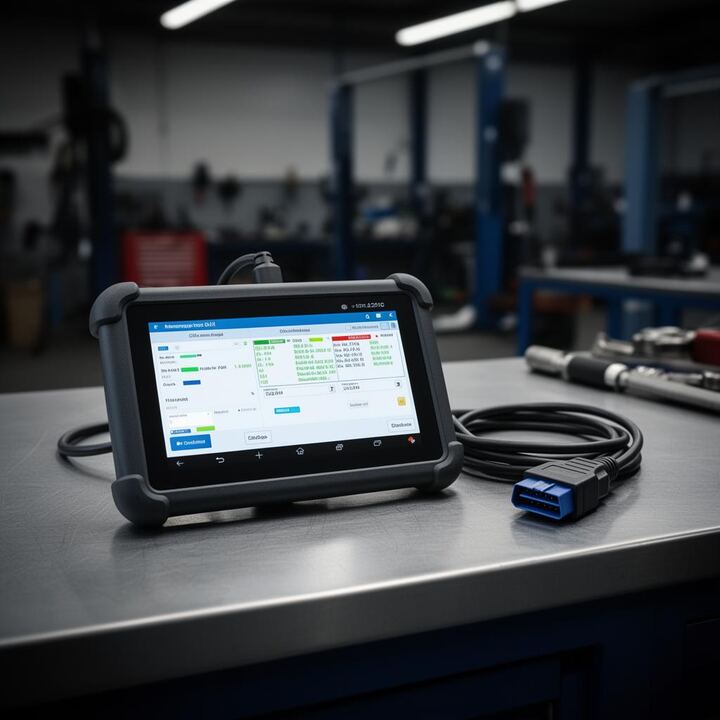
These three terms get used loosely, and that costs shops money. Each one does a different job on the claim, and treating them as one thing leaves documentation gaps a carrier can push back on.
The pre-scan
A pre-repair scan reads the vehicle's diagnostic trouble codes before any work begins. It establishes a baseline: what was already wrong, and what damage the collision caused. Without it, there is no proof a fault existed before the repair rather than being introduced during it.
The post-scan
A post-repair scan reads the codes again after the repair is finished. It does two things: it confirms the faults the repair was meant to address are resolved, and it confirms no new faults were introduced. It is the verification step.
The calibration
A calibration is the physical work. It realigns a camera or radar to the manufacturer's specification so the system reads the road correctly. A scan can tell you a sensor reports a fault. It cannot realign the sensor. Only a calibration does that.
Why the distinction matters for billing
Because they are separate operations, they are separate line items. A post-scan that comes back clean does not mean a calibration was performed, and it does not replace one. If the repair disturbed a sensor, the calibration is its own documented operation with its own charge.
Focal ADAS handles it on-site, same day, from Seattle to Tacoma.
Put calibration on autopilot.
Request a calibration in 60 seconds. A reply with an arrival window comes back within the hour.