BMW and MINI ADAS calibration requirements depend on the VIN, installed options, sensor generation, and repair event. BMW service information can place the controlling step in an additional-work table, component procedure, or diagnostic workflow. MINI bulletins also show that forward-camera calibration can depend on road, weather, glass, and camera-bracket conditions.
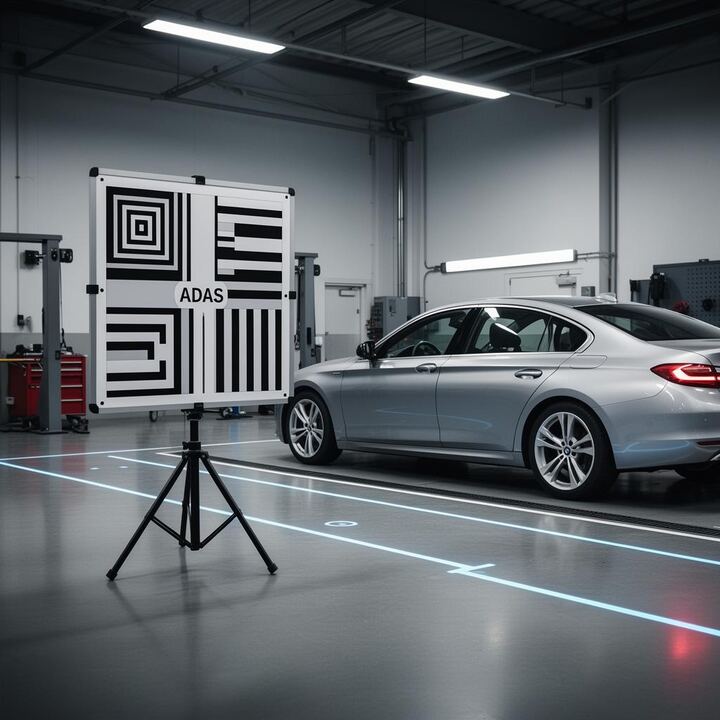
BMW and MINI calibration planning starts with the VIN, installed options, and the exact repair operation. The make family does not use one universal trigger table that can be safely applied to every vehicle. BMW repair information can place calibration requirements in an electronic additional-work table, a component procedure, or the vehicle's diagnostic workflow. A shop therefore needs a traceable procedure path before it writes or schedules the operation.
That research method matters across the modern model range. BMW radar repair information separates three technology generations beginning around September 2008, July 2015, and October 2021, while MINI camera bulletins cover selected mid-2010s and later vehicles. Those ranges provide useful context, but they are not substitutes for VIN-specific identification. I-CAR's BMW radar repair article and the MINI camera bulletin hosted by NHTSA show why a make-wide shortcut is unreliable.
Where does BMW or MINI state that calibration is required?
BMW repair planning can require more than opening the first removal and installation page. I-CAR explains that an electronic table titled as an overview of additional work lists removal, replacement, calibration, and programming requirements for vehicle components. The table is accessed through the VIN-specific service information and includes links to the applicable instructions, tools, and notes. I-CAR CRN-1395 describes that document path.
ADAS information may also sit outside the body-repair section. I-CAR identifies electrical categories for driver-assistance systems and cameras, while noting that a body-part procedure can contain an additional calibration event. That means a bumper, mirror, glass, or component procedure should be followed through its linked instructions instead of treated as a complete answer by itself. I-CAR CRN-939 supports this layered research approach.
For many BMW applications, the final procedure and calibration requirement are presented through the OEM diagnostic environment after the vehicle configuration is identified. I-CAR cautions that the installed options and current diagnostic instructions control the process. I-CAR CRN-2337 is the specific source for that configuration-dependent workflow.
Which repair events deserve calibration research?
The estimator should investigate any repair event that changes a camera, radar unit, its mounting reference, the material in its sensing path, or a chassis input named by the procedure. Common research events include windshield replacement near a forward camera, camera or radar removal and installation, bracket or mounting-surface repair, fascia or grille work in a radar transmission zone, and alignment or ride-height work that changes the vehicle reference.
Those are research prompts, not universal triggers. On one BMW or MINI vehicle, removal and installation may call for a check while replacement calls for calibration. Another configuration may use a different sequence. The repair plan should name the actual event and cite the exact instruction found for that VIN rather than state that every bumper, windshield, or alignment always requires the same operation.
Scanning remains a separate decision. BMW's collision-repair position calls for pre-repair and post-repair scanning on OBD II equipped vehicles and explains that collision damage can create nonvisual electronic concerns. I-CAR CRN-1356 reproduces the make-specific position. A scan can disclose diagnostic status, but it does not replace the physical calibration requirement or result.
Why do radar generations and bumper materials change the plan?
BMW radar repair limits are generation-specific. The exact repair information identifies a transmission zone and controls what can be placed or refinished in front of the radar. I-CAR's BMW article reports separate first, second, and third generations, with vehicle-specific limits for paint and material in the sensing area. It also says stickers or film should not be placed in that zone. I-CAR CRN-2347 provides the generation ranges and repair restrictions.
For a collision estimator, this creates two distinct lines of inquiry. The first is whether the radar or its mounting position was disturbed and therefore needs a named check, setup, or calibration. The second is whether the repaired exterior part remains within the material and refinishing limits for that sensor generation. A successful aiming result cannot make an out-of-spec radar transmission zone acceptable, and a compliant refinish does not prove that a disturbed sensor is correctly aimed.
The repair file should preserve the identified generation or applicable vehicle procedure, the repaired zone, the refinishing decision, and the calibration outcome. That record is more useful than a generic note that the front radar was handled.
What makes MINI forward-camera calibration different?
MINI service bulletins give a concrete example of a dynamic camera process. For specified F54 through F57 vehicles, a bulletin describes forward-camera calibration after certain windshield or camera-bracket work. It calls for a straight road, visible lane markings and signs, travel above 20 mph, and approximately 20 minutes under suitable conditions. Rain, snow, darkness, sunrise, or sunset can extend the process. The MINI bulletin in NHTSA's repository states those conditions.
A later MINI bulletin covering selected vehicles from the mid-2010s onward explains that camera-system limitations can occur without relevant fault codes. It lists incomplete or unsuccessful calibration, a dirty windshield, lighting or weather, and tire-size conditions among the possible causes. It also states that calibration is required after windshield replacement for the applications it covers. NHTSA document MC-10179018-9999 is the primary bulletin.
These examples should not be expanded into a universal MINI rule. They do show why a clean scan and a quiet instrument panel are insufficient closeout evidence. The shop still needs the correct procedure, suitable conditions, and an identifiable completion result.
What should be ready before a mobile visit?
BMW or MINI readiness should be tied to the path that produced the requirement. Glass and camera-mount work must be final before a camera procedure. A radar job needs the applicable transmission zone, fascia or grille finish, and sensor mount resolved. Chassis geometry, tires, loading, and diagnostic blockers must meet the current instruction. Stationary work needs the specified surface, illumination, and measurement footprint; the MINI driving example needs road and weather conditions that permit its sequence.
The intake packet should lead with the VIN and the named component, then show the additional-work-table or diagnostic reference, the exact repair event, changed parts, geometry status, and scan findings. That sequence helps distinguish a ready aiming operation from programming, diagnosis, or body correction still waiting to be done.
How should an estimator build a BMW or MINI procedure trail?
The most useful BMW or MINI estimate note is a breadcrumb trail, not a generic statement that the vehicle has driver assistance. The planner should preserve four connected decisions.
- Record the configuration evidence. The VIN, model year, installed option or named system, and affected component establish what information was searched. A sensor name copied from a generic feature list is weaker than the component name used in the current vehicle information.
- Record the repair event. Windshield replacement, bracket movement, radar removal, fascia refinishing, or a geometry change should be stated as the event that created the research question. This prevents a calibration line from floating free of the actual repair.
- Preserve the procedure path. If the requirement came from BMW's additional-work table, a linked body procedure, an electrical category, or the diagnostic workflow, the file should identify that path. I-CAR's additional-work-table article and its location guide show why the first page opened may not be the last page needed.
- Separate the outcomes. Radar-zone repairability, scanning, programming, physical calibration, and a functional check answer different questions. Each should have its own status and result when the current procedure calls for it.
This structure is especially important when a BMW bumper and radar are involved. The exterior repair decision should identify the applicable transmission zone and sensor generation before refinish. The electronic line should then state the radar operation required after the physical condition is correct. On a MINI camera job, the procedure trail should add the glass or bracket event and the conditions required for the prescribed drive. That level of detail gives production a readiness checklist and gives file review a traceable reason for the operation.
What documentation should return to the repair file?
The closeout package should identify the vehicle, system, repair trigger, applicable procedure, method, prerequisite status, and result. If the procedure cannot start or finish, the record should state the blocker instead of converting an attempt into a pass. Scans, programming, configuration, calibration, and functional checks should retain their own labels.
Shops can review windshield-related calibration research, alignment and steering-angle planning, forward-camera calibration, front-radar calibration, and surround-view camera calibration as separate workflow components.
For a make-specific calibration request, a shop can send the VIN and repair details to service@focaladas.com or call (206) 460-0999. Focal ADAS confirms the applicable procedure, vehicle readiness, and scheduling before the visit.
Frequently asked questions
Does every BMW or MINI windshield replacement require the same calibration?
No. MINI bulletins provide application-specific windshield and camera examples, while BMW requirements depend on the VIN and installed options. The current glass, camera, and diagnostic procedures control the actual vehicle.
Where can BMW calibration instructions appear?
BMW information can appear in an additional-work table, electrical or driver-assistance categories, a body-part procedure, or the OEM diagnostic workflow. The repair planner should follow linked instructions until the full operation is identified.
Can a clean scan prove a BMW or MINI camera is aimed?
No. A scan records diagnostic status, while calibration establishes the reference required by the named procedure. MINI service information also shows that some camera limitations can exist without relevant stored fault codes.
Why must a BMW radar generation be identified?
BMW publishes generation-specific radar repair and transmission-zone limits. The estimator needs the applicable vehicle information before deciding whether the bumper finish is compliant and which radar operation is required.
What should a shop send before scheduling BMW or MINI calibration?
The request should include the VIN, model year, installed system if known, repair event, glass or bumper detail, disturbed components, alignment status, scan findings, and current procedure reference. That package supports a readiness decision before dispatch.
Sources
- I-CAR, Calibration Research Tips: BMW/Mini Calibration Information Table, CRN-1395 https://rts.i-car.com/crn-1395.html
- I-CAR, Locating ADAS Information: BMW/Mini, CRN-939 https://rts.i-car.com/crn-939.html
- I-CAR, BMW Vehicles On The RTS OEM Calibration Requirements Search, CRN-2337 https://rts.i-car.com/crn-2337.html
- I-CAR, Bumper Cover Repair With ADAS: BMW/Mini - UPDATE, CRN-2347 https://rts.i-car.com/crn-2347.html
- I-CAR, BMW Position Statement: Pre- and Post-Repair System Scanning - UPDATE, CRN-1356 https://rts.i-car.com/crn-1356.html
- MINI camera calibration bulletin, NHTSA document MC-10151348-9999 https://static.nhtsa.gov/odi/tsbs/2016/MC-10151348-9999.pdf
- MINI camera-system limitations bulletin, NHTSA document MC-10179018-9999 https://static.nhtsa.gov/odi/tsbs/2020/MC-10179018-9999.pdf
Focal ADAS handles it on-site, same day, from Seattle to Tacoma.
Put calibration on autopilot.
Request a calibration in 60 seconds. A reply with an arrival window comes back within the hour.