Yes. Subaru's own position is that on a vehicle equipped with EyeSight, "calibration is required after the windshield is replaced." EyeSight uses a pair of cameras mounted to the windshield, so replacing the glass moves both of them, and the system has to be recalibrated to Subaru's specification before lane keeping and pre-collision braking work correctly.
What Subaru officially requires
Subaru is one of the clearest manufacturers on this point. Its position statement on aftermarket glass states directly that "if windshield glass replacement is performed on a Subaru vehicle equipped with EyeSight, calibration is required after the windshield is replaced," and instructs repairers to "always perform the 'Inspection' and 'Adjustment and check' of the stereo camera after windshield glass replacement" (Subaru of America, EyeSight position statement). This is a requirement, not a suggestion, and it applies whether the glass is original Subaru or aftermarket.
Why EyeSight is more sensitive than most systems
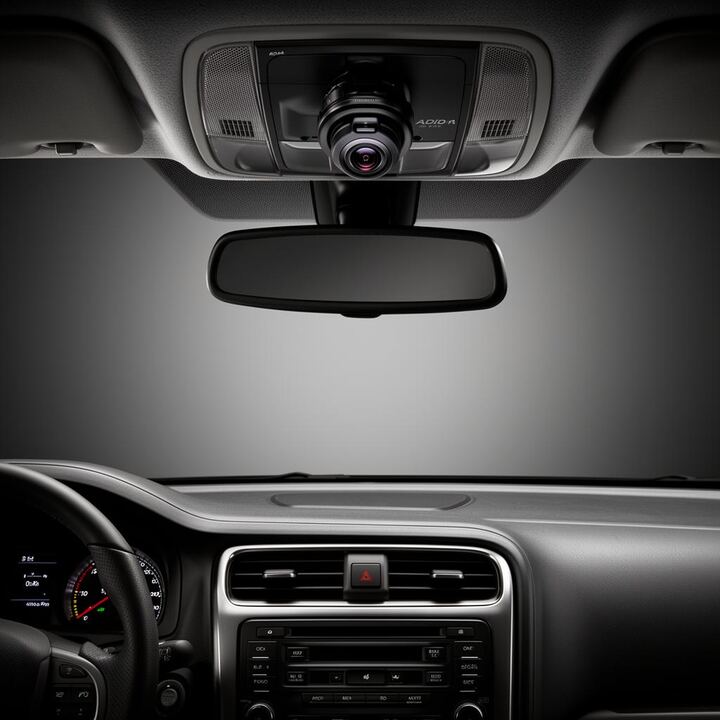
Most vehicles run a single forward camera. EyeSight uses two cameras, one on each side of the rearview mirror, and it judges distance the way human eyes do, by comparing the two images. That stereo design is what lets EyeSight brake for an object without a radar, but it also means the system depends on both cameras sitting in an exact, known relationship to each other. When the windshield comes out, both cameras move, so the calibration is not optional cleanup, it is what re-establishes the geometry the whole system reads distance from.
The precision involved is why a small error matters. A forward camera misaimed by a single degree points roughly 1.75 feet off at 100 feet and about 17 feet off at 1,000 feet, following lateral error = d · tan θ, enough to misjudge where a lane or a vehicle actually is.
Which repairs trigger an EyeSight calibration
Windshield replacement is the most common trigger, but it is not the only one. EyeSight or its supporting sensors also need attention after front-end collision repair near the camera or its mount, after the cameras or bracket are removed or replaced, and after suspension or alignment work that changes how the vehicle sits relative to the road. Subaru also requires pre-repair and post-repair diagnostic scanning on collision-damaged vehicles, so the calibration sits inside a documented before-and-after on the file. When in doubt, the requirement is confirmed against the Subaru procedure for the specific VIN.
Why this matters for the repair bill
EyeSight recalibration is a real cost that belongs on the estimate, not a courtesy. AAA found that on ADAS-equipped vehicles, windshield replacement with the camera work averaged about 25 percent of the total repair cost, roughly $360 on a representative repair (AAA, 2023). Subaru is a common make across the Seattle to Tacoma corridor, and the calibration is what keeps a system that works from being left half-finished. IIHS research credits systems like EyeSight's automatic braking with cutting front-to-rear injury crashes by more than half (IIHS), which only holds if the cameras are aimed right.
How Focal ADAS handles Subaru EyeSight
Focal ADAS calibrates EyeSight on-site at collision shops across the Seattle to Tacoma corridor, following the Subaru procedure for the specific VIN. Each job ships with the pre-scan, the post-scan, the Subaru procedure reference, and setup photos, so the calibration line is documented and defensible when the carrier reviews it.
Frequently asked questions
Does aftermarket glass affect EyeSight calibration?
Subaru's position addresses aftermarket glass directly and still requires calibration after any windshield replacement. Glass that does not meet Subaru's optical specification can also make a correct calibration harder to achieve, which is worth confirming before the glass goes in.
Can EyeSight be calibrated at my shop, or does the car go to the dealer?
On most Subaru vehicles the calibration can be performed on-site with the correct targets and the OEM procedure, so the car stays in your bay. A mobile calibration partner brings the equipment to the shop rather than sending the vehicle out.
Will a diagnostic scan tell me EyeSight is aimed correctly?
No. A scan reports stored fault codes. The stereo camera can be misaimed and still store no code, so aim is confirmed only by completing Subaru's calibration procedure and capturing the result.
Sources
- Subaru of America, "Position Statement on Aftermarket Windshield Glass for Vehicles Equipped with EyeSight," 2017 https://www.oem1stop.com/sites/default/files/Subaru_Eyesight_Position_Revised(5-23-17).pdf
- AAA, "Fixing Advanced Vehicle Systems Makes Up Over One-Third of Repair Costs Following a Crash," 2023 https://newsroom.aaa.com/2023/12/fixing-advanced-vehicle-systems-makes-up-over-one-third-of-repair-costs-following-a-crash/
- Insurance Institute for Highway Safety, "Front crash prevention slashes police-reported rear-end crashes." https://www.iihs.org/news/detail/front-crash-prevention-slashes-police-reported-rear-end-crashes
Focal ADAS handles it on-site, same day, from Seattle to Tacoma.
Keep reading
Put calibration on autopilot.
Request a calibration in 60 seconds. A reply with an arrival window comes back within the hour.